Knewton
Education Platform
Background
Content authors at Knewton were responsible for creating mathematically complex, media-rich lessons, yet the authoring experience relied heavily on manual workflows. These processes were slow, error-prone, and difficult to scale, especially as content volume and instructional complexity increased.
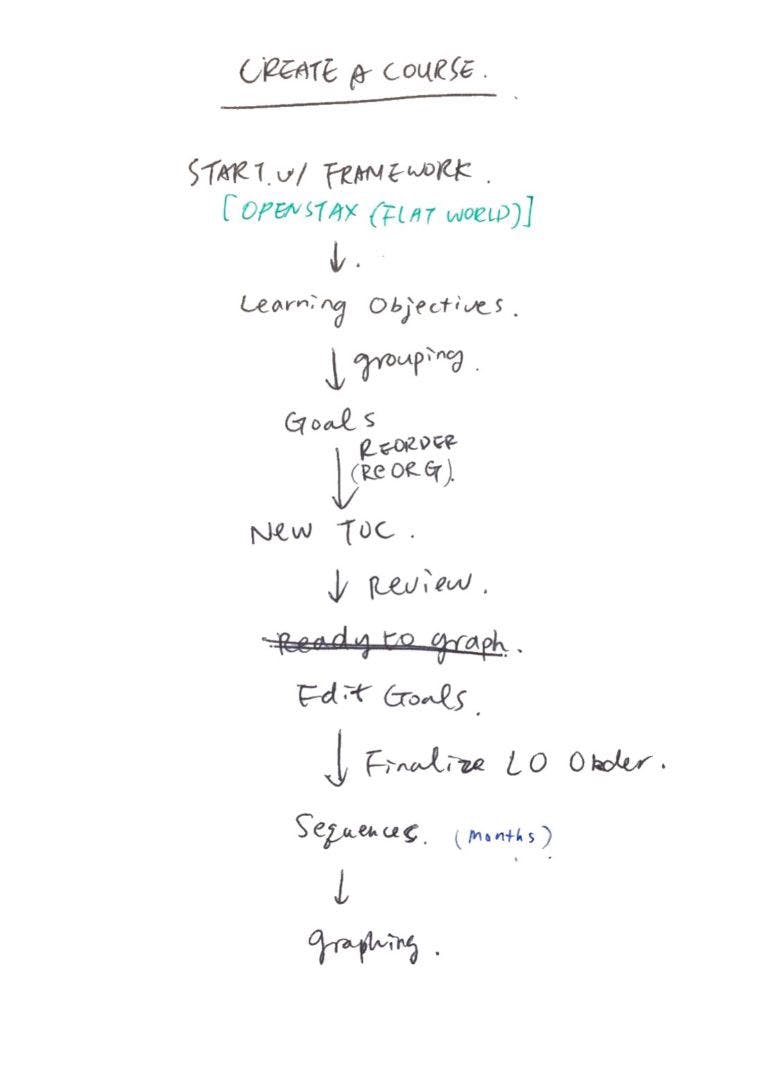
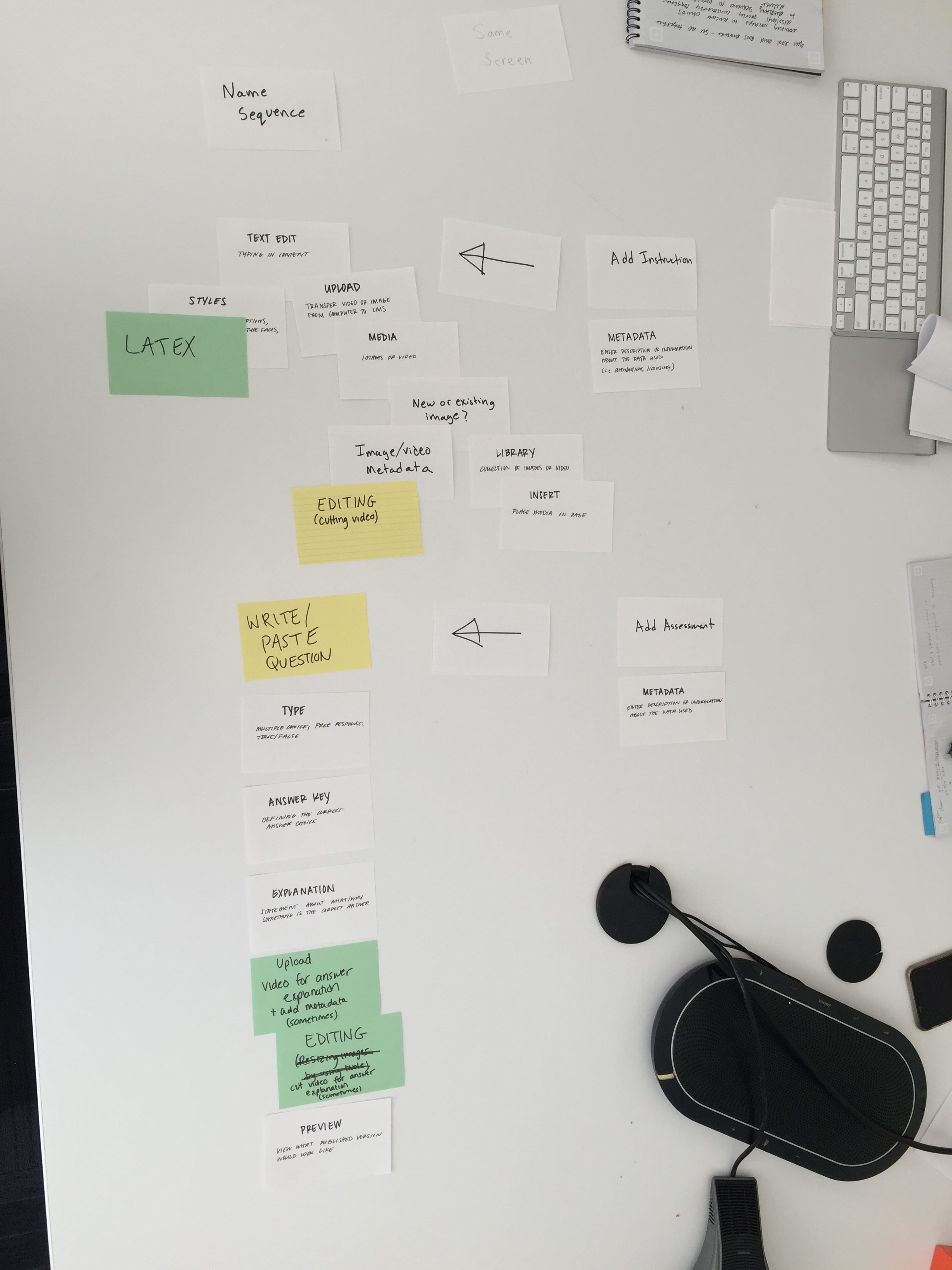
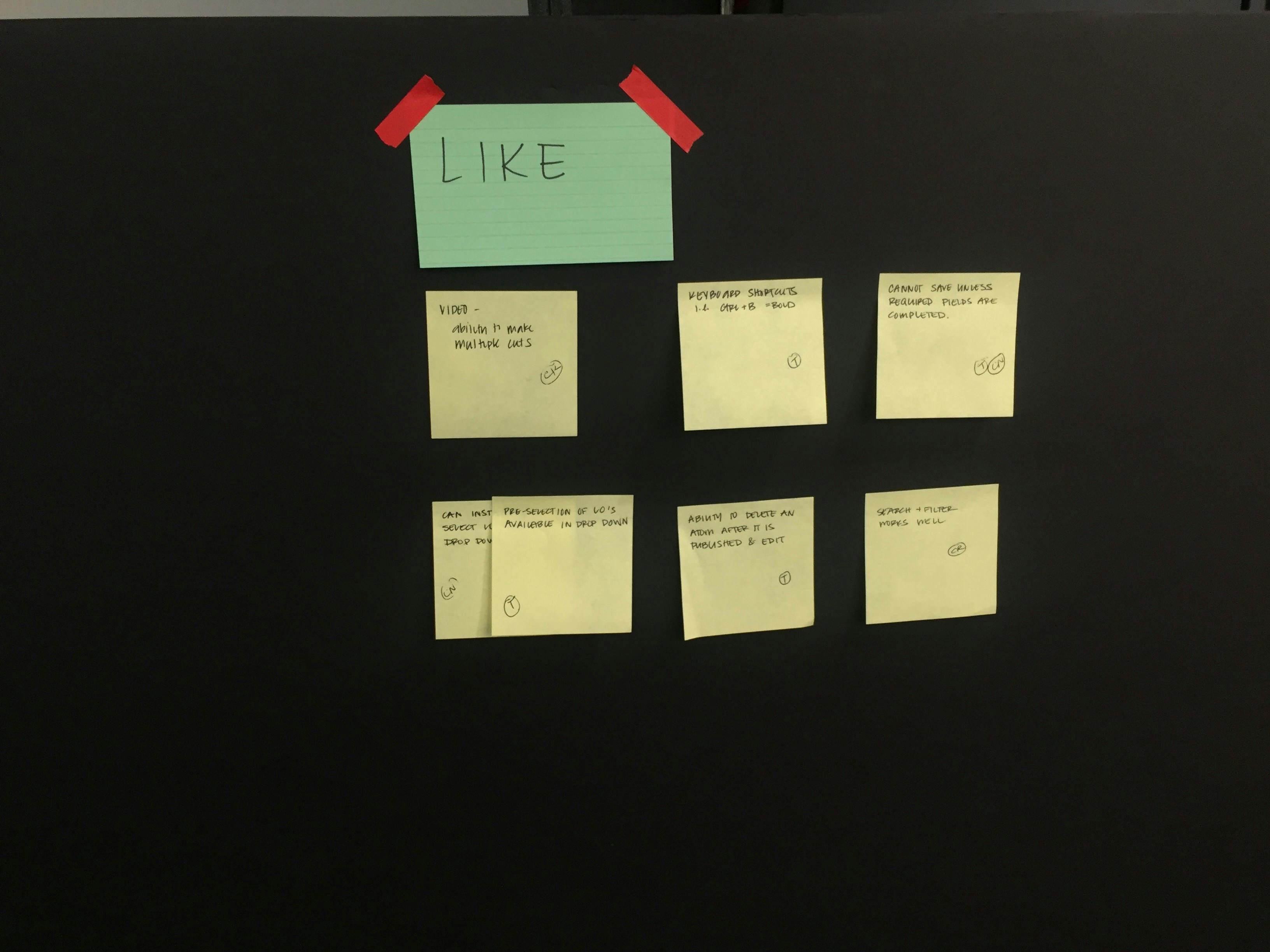
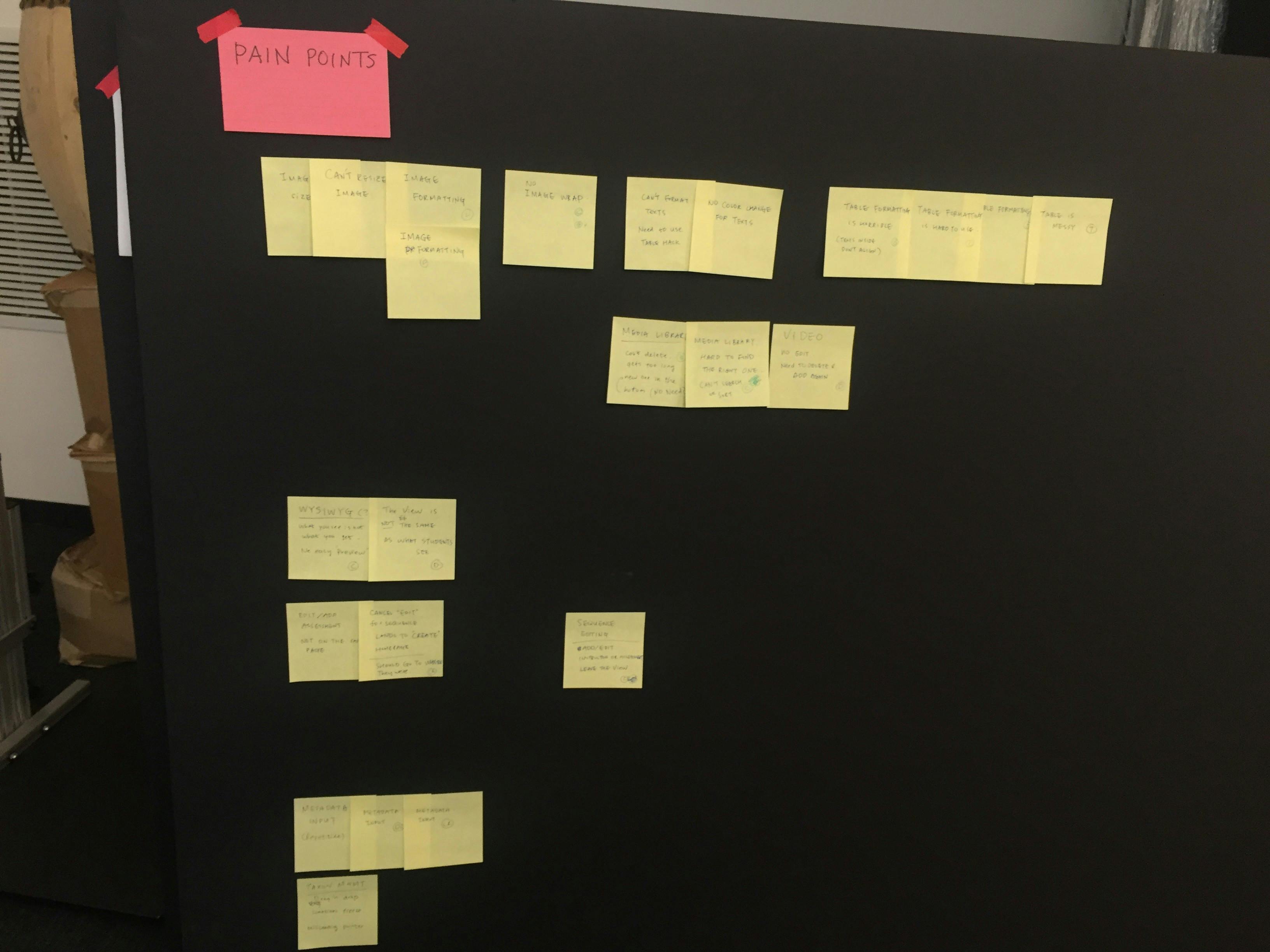
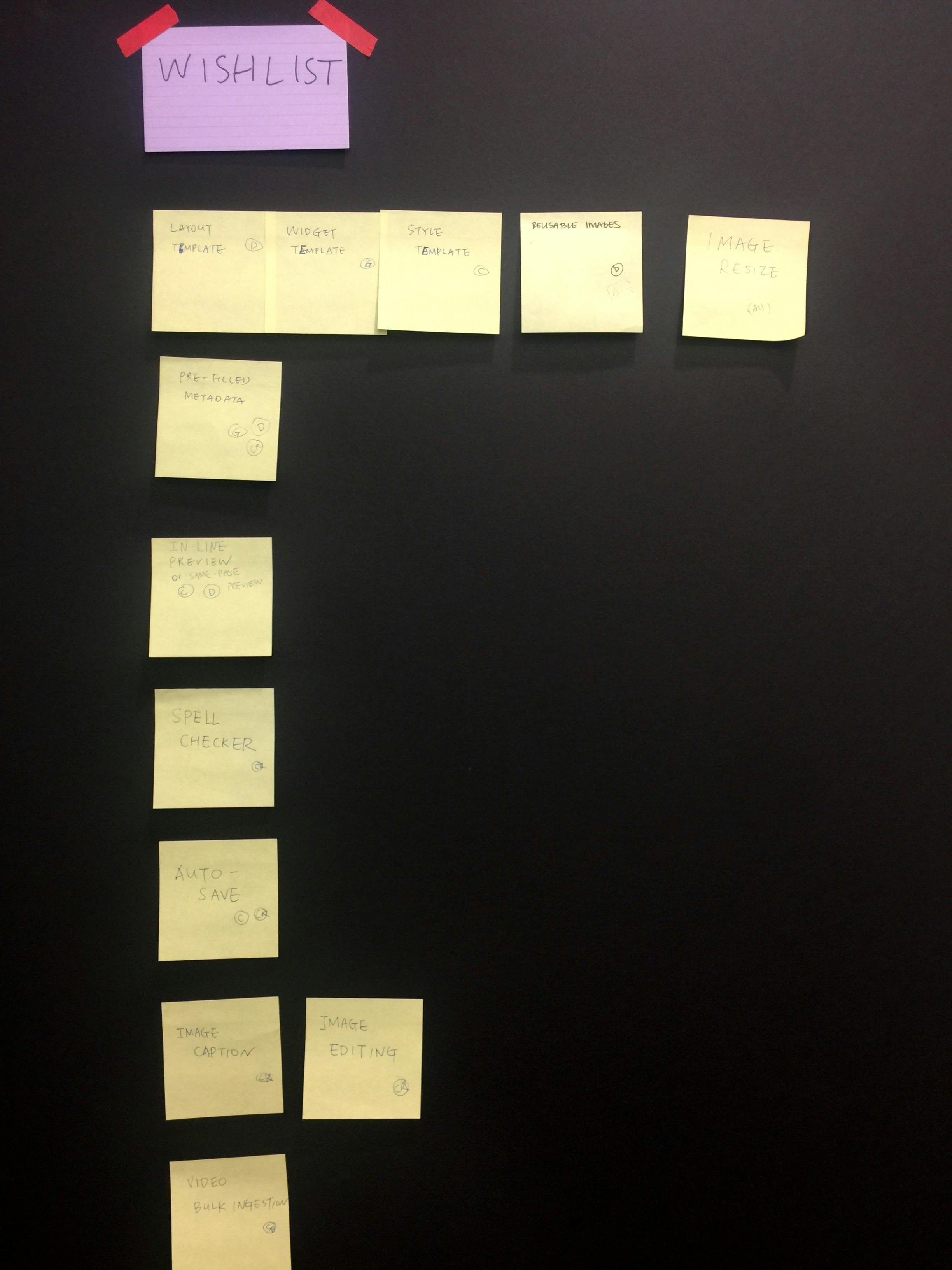
To understand where authors struggled most, we conducted multiple rounds of post-it mapping and card-sorting sessions with the content team. These exercises surfaced key pain points around structure, preview accuracy, and iteration speed, and revealed a gap between how authors thought about lessons and how the tooling required them to work.
gallery
Image
Image
Design Decisions
This project required balancing precision, flexibility, and usability within a highly constrained system. Several key decisions shaped the final direction:
Block-based authoring over free-form editing
Authors consistently thought in terms of “lesson chunks” rather than pages or documents. A block-based model allowed them to structure content modularly, iterate faster, and reuse patterns without breaking layout or logic.
True WYSIWYG preview instead of delayed validation
Errors were often discovered late in the workflow, creating rework and frustration. Enabling authors to preview content exactly as students would see it helped shift error detection earlier, increasing confidence and reducing back-and-forth.
Separation of structure and expression
Mathematical formulas required strict structural rules, while instructional content benefited from creative flexibility. The design intentionally separated these concerns, allowing the system to enforce precision where necessary without over-constraining authors elsewhere.
Optimizing for non-technical authors
Many authors were subject-matter experts, not technologists. The interface prioritized clarity and predictability over advanced configuration, reducing cognitive load while still supporting complex instructional needs.
Solution:
The redesigned authoring experience introduced a WYSIWYG editor that allowed authors to see their work exactly as students would, significantly reducing errors and rework. A block-based authoring model enabled faster structuring and iteration, while an enhanced media editor supported rich content such as video tutorials and interactive elements.
Together, these changes transformed authoring from a fragile, manual process into a more resilient system that supported both precision and creative expression.
gallery
like
Image
Image
Outcome:
While the final design was not shipped, this project remains one of the most rewarding challenges I’ve worked on. Designing an authoring system that supported complex mathematical formulas alongside rich media required deep problem-solving and careful system thinking.
The work reinforced the importance of aligning tooling with users’ mental models, especially in domains where precision and creativity must coexist. Many of the patterns explored here—block-based composition, real-time preview, and separating structure from expression—have continued to influence how I approach platform and system design in later work.
This project deepened my appreciation for well-designed authoring tools and the invisible complexity required to make creation feel simple.
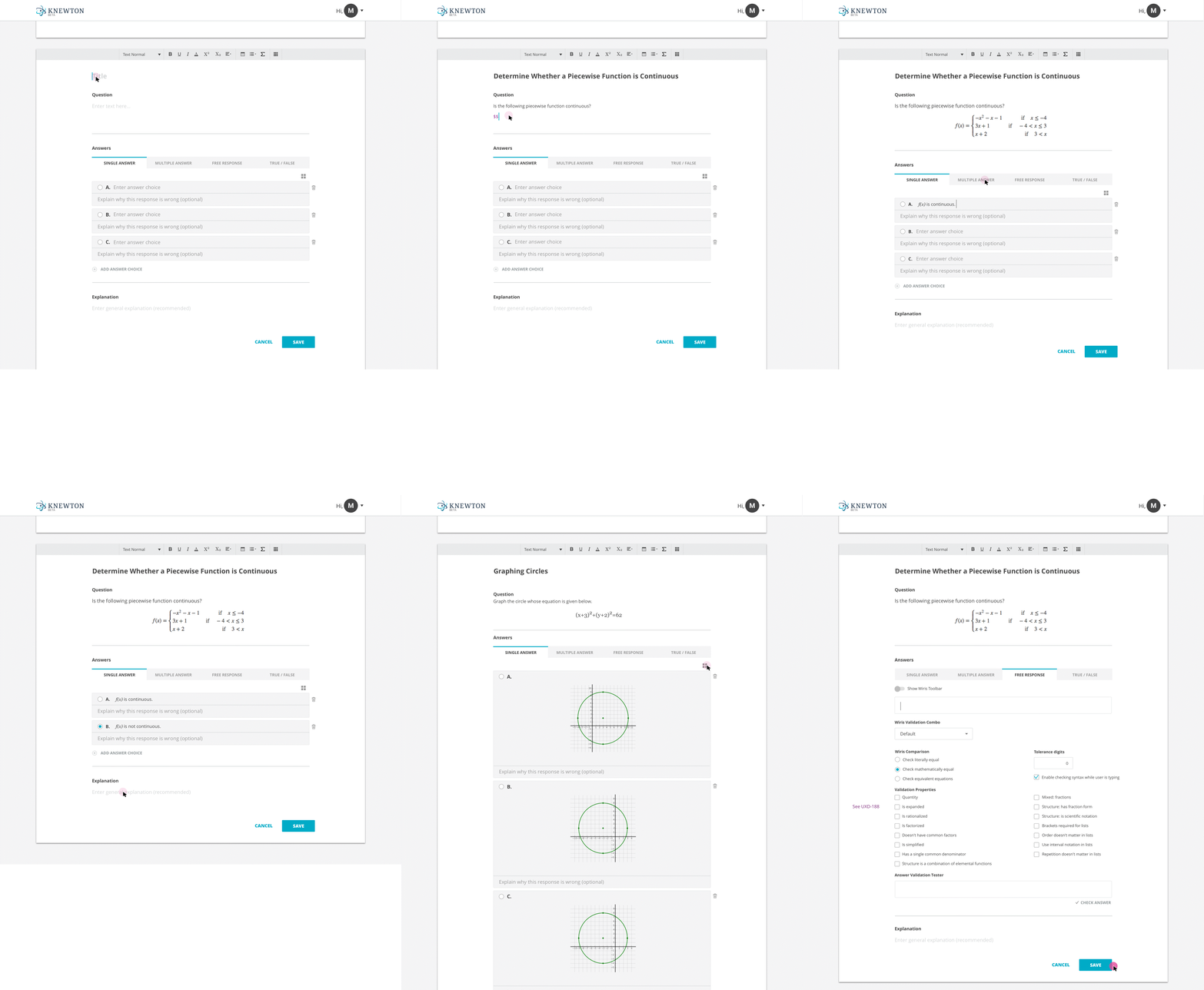
Proposed Design
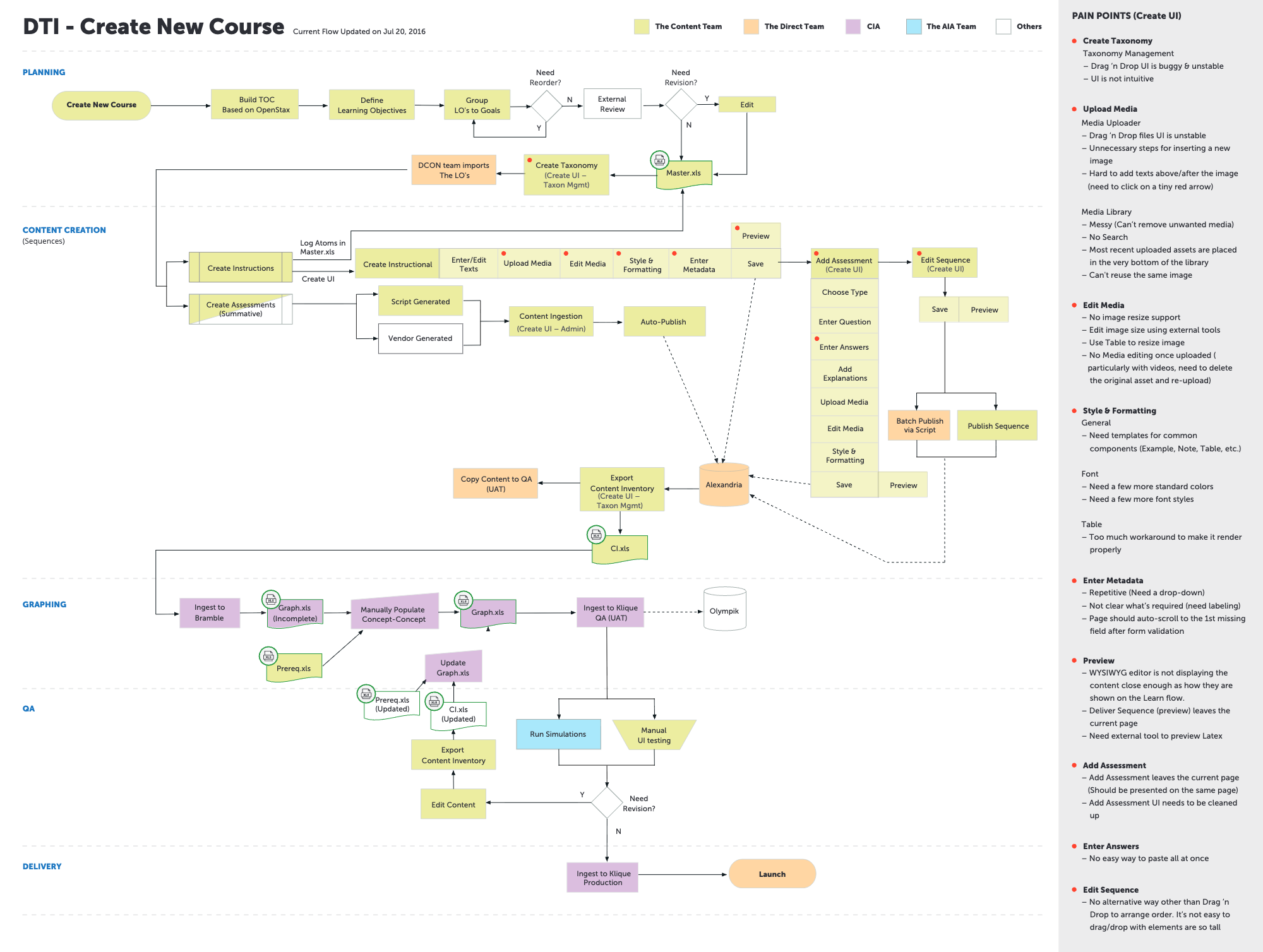
Process Flow
Detailed content authoring flow
portfolio-silk-two-20.vercel.app