Learningpod
Education Platform
Background
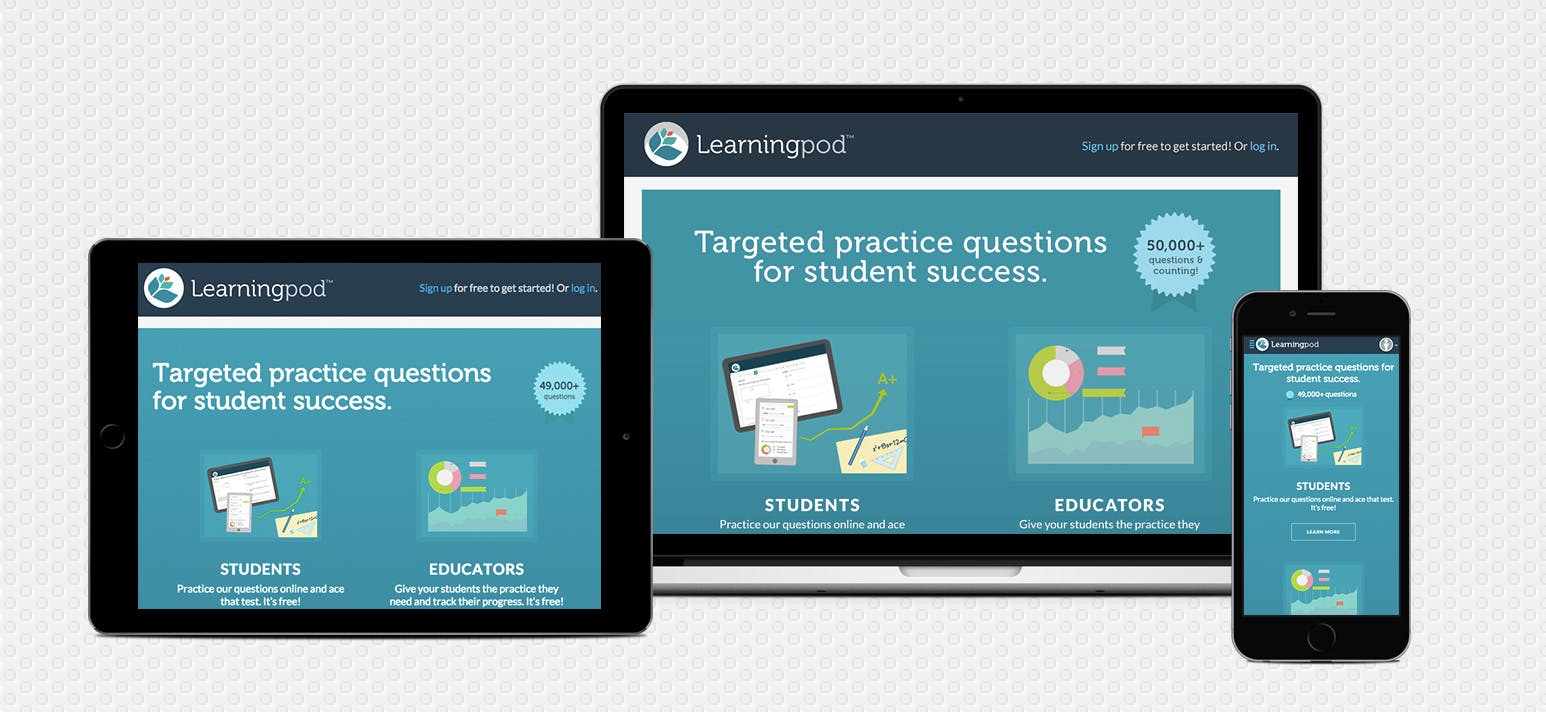
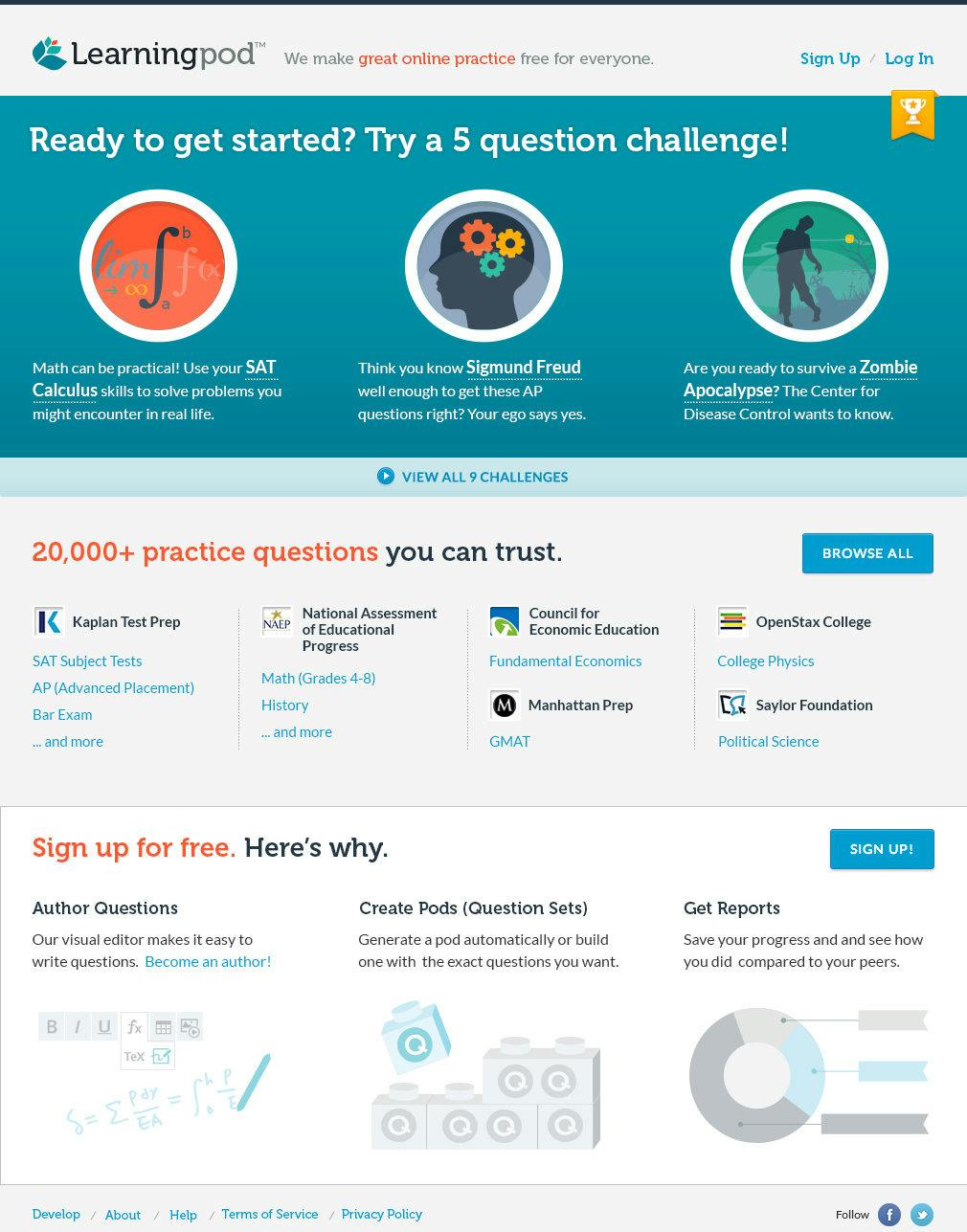
Learningpod was built to make high-quality educational content accessible to educators, students, and developers through a shared, open platform. The challenge wasn’t just designing great learning experiences—it was creating a system that could scale across audiences, devices, and products without fragmenting content or quality.
From the start, the platform needed to support content creation, consumption, and distribution as a single ecosystem rather than a collection of disconnected apps.
My Role:
As a founding member and design lead, I owned the end-to-end design process, from brand foundations to consumer applications across iOS, Android, Windows, and web.
Design Decisions
Several intentional decisions shaped Learningpod’s foundation and long-term scalability:
API-first platform before applications
Rather than designing isolated consumer apps, we treated content and metadata as the core product. The API became the source of truth, enabling consistent delivery across web, iOS, Android, and partner integrations without duplicating logic or content.
Designing for three audiences simultaneously
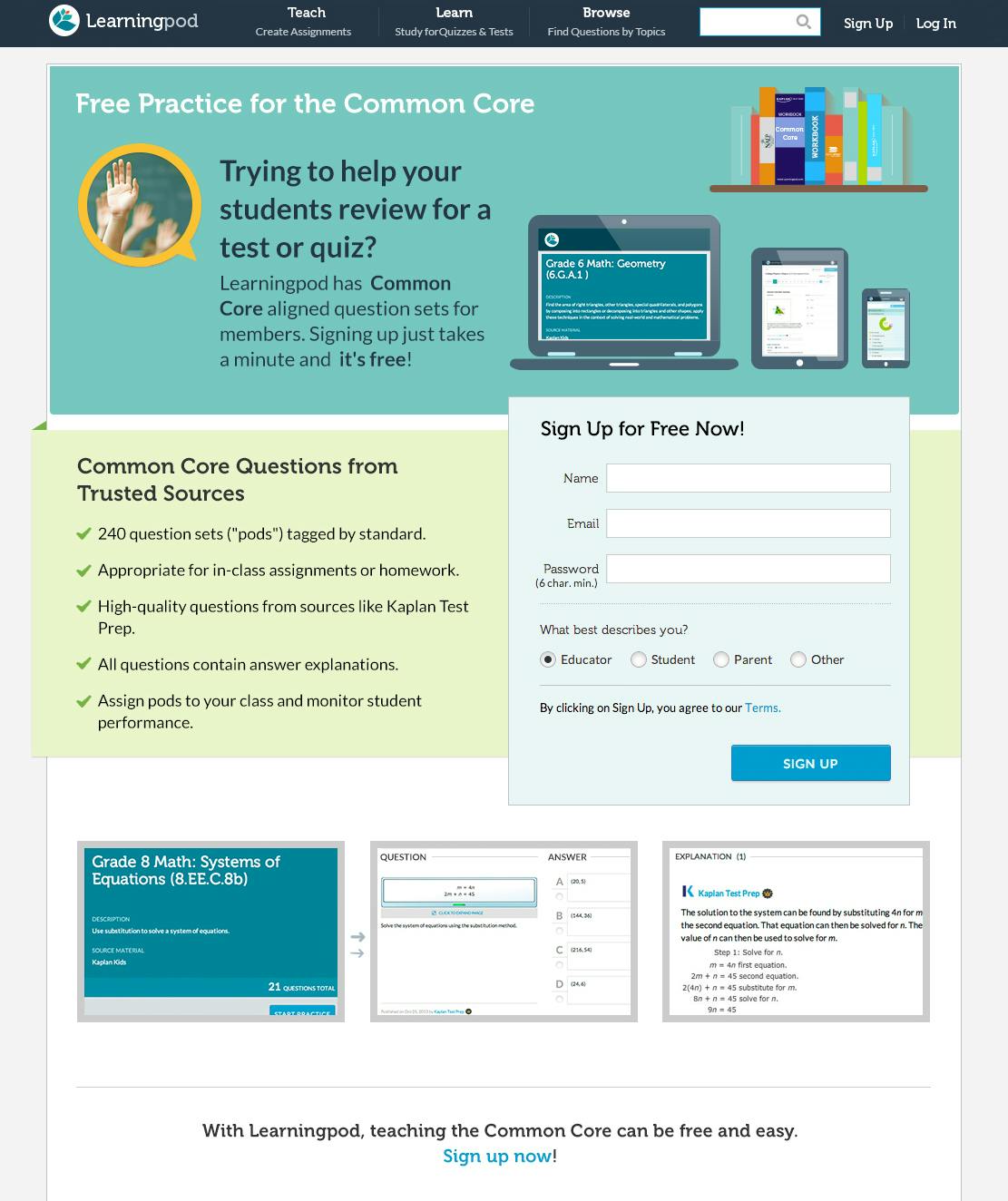
Educators, students, and developers each had different needs and mental models. The platform prioritized clarity and consistency so that content could be authored once and experienced differently depending on context, without introducing fragmentation.
Mobile-first learning experiences
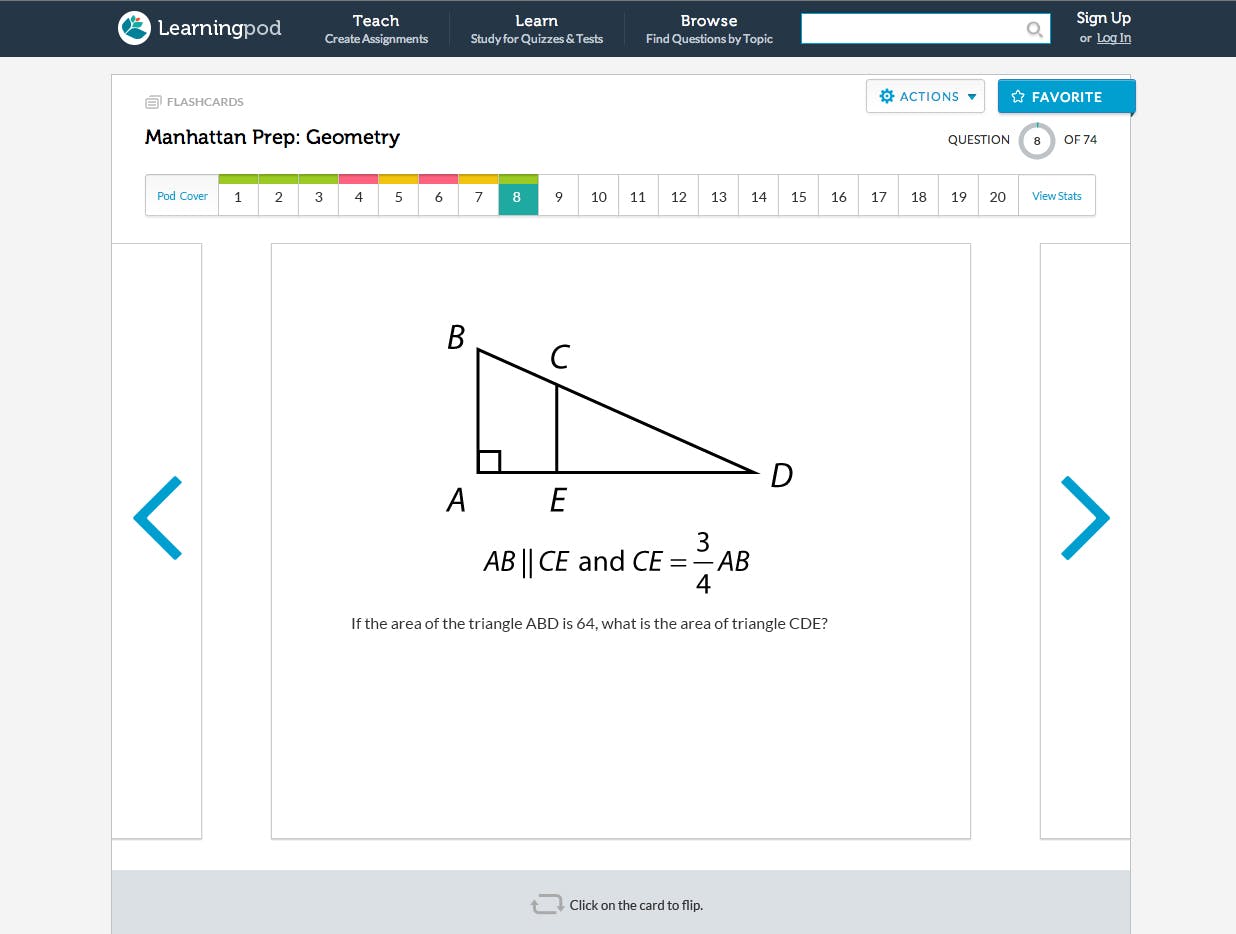
Many students accessed Learningpod primarily through mobile devices. Designing mobile-first ensured that core learning interactions—questions, explanations, and feedback—remained focused, fast, and accessible, even on smaller screens.
System consistency over feature depth
With a small team, we optimized for coherence instead of customization. Shared patterns, reusable components, and predictable behaviors allowed the platform to grow without increasing cognitive or operational overhead.
Design
Learningpod
Landing Page
Sign up
Web App
Question
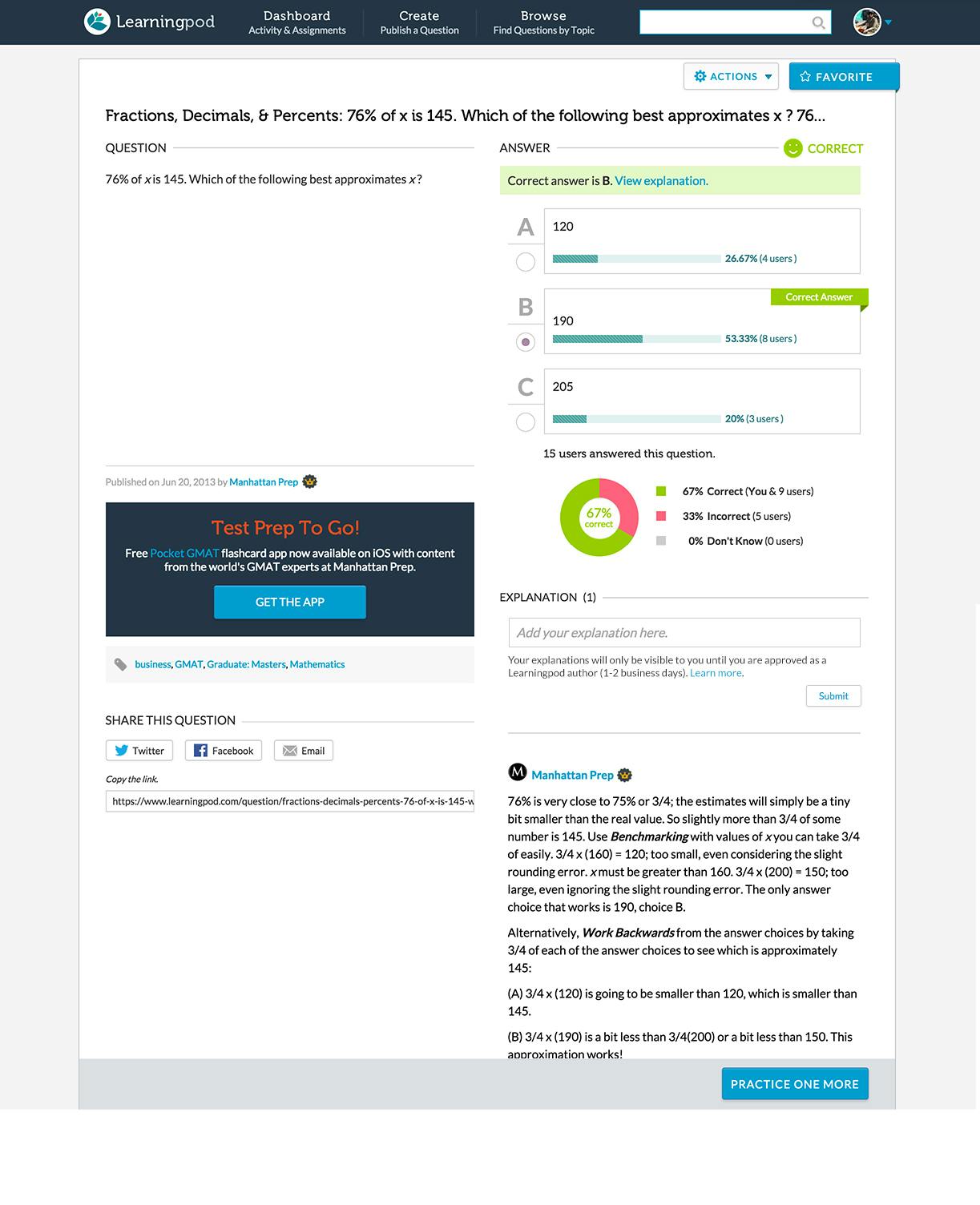
Answer
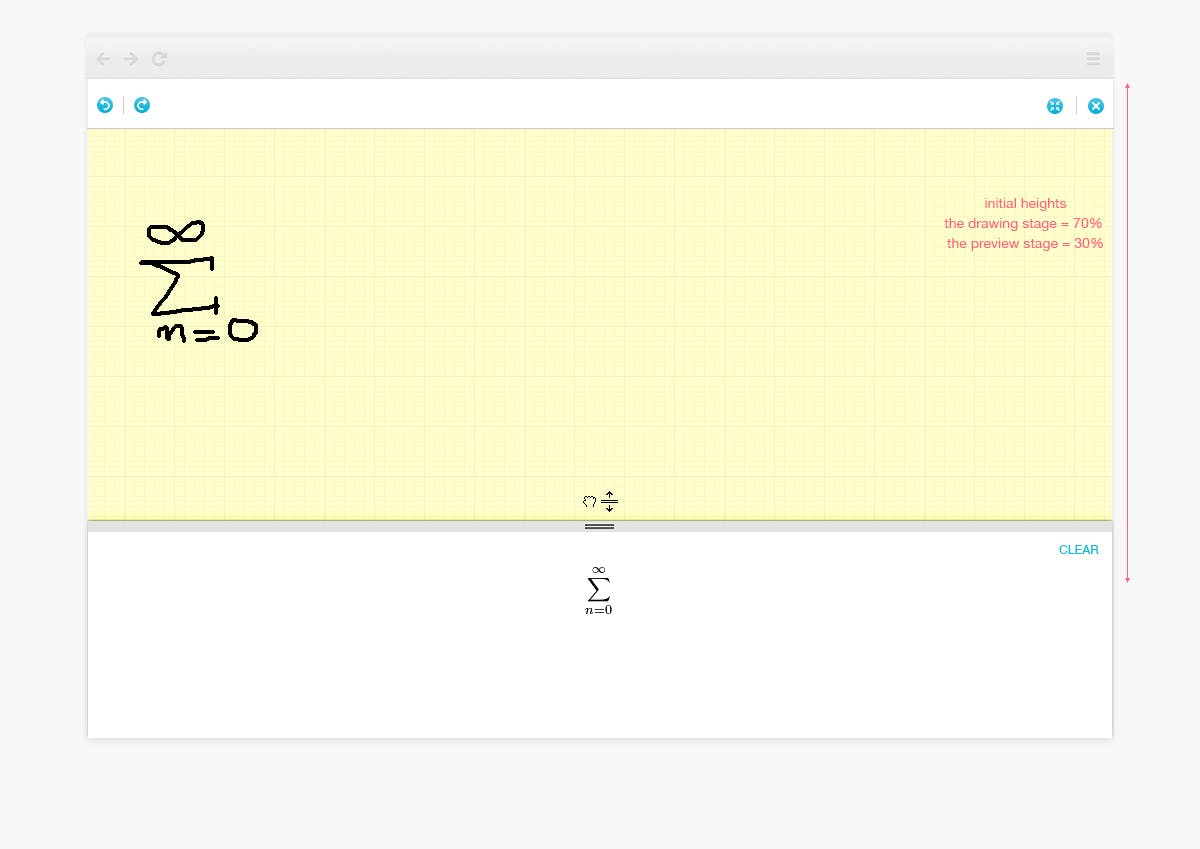
Entry
Mobile First
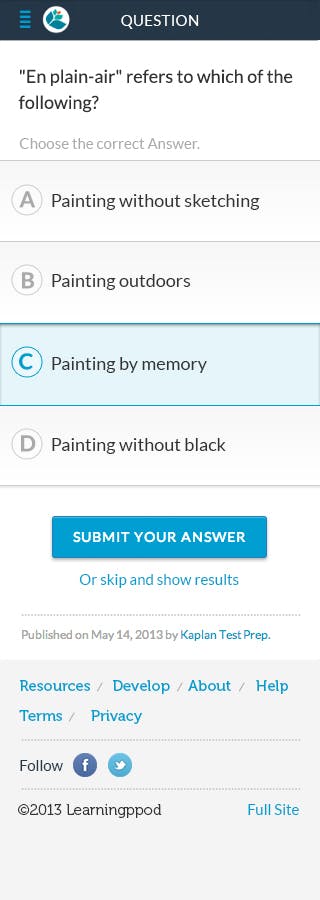
Question
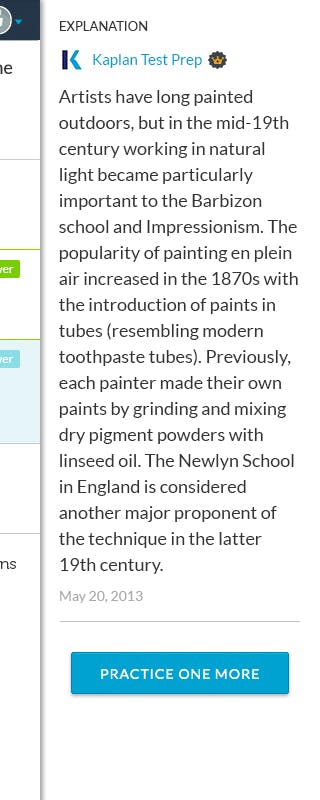
Explanation
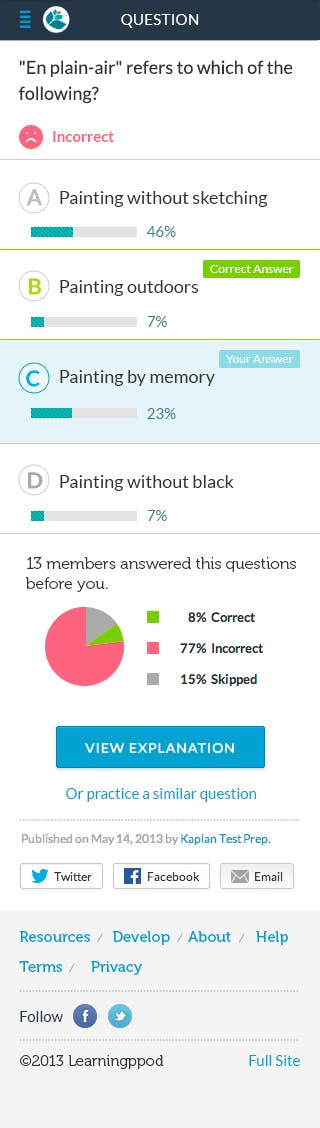
Result
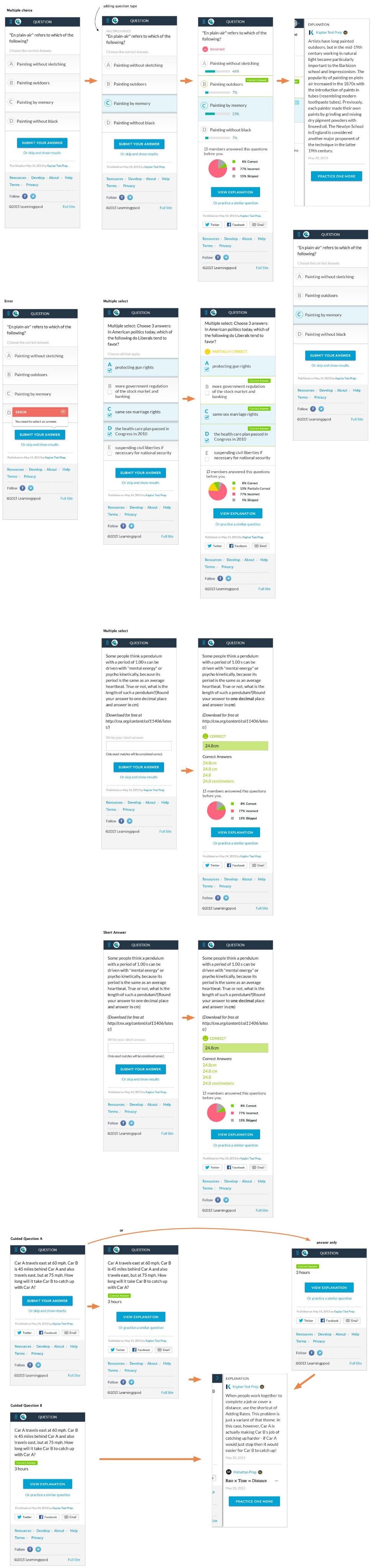
Screens
Outcome
Learningpod gained strong traction among high school students and received consistently positive feedback. When we announced the service’s shutdown, many users reached out with personal notes describing how the platform had supported their learning—an outcome that mattered deeply to the team.
Beyond usage metrics, the platform proved that a small team could scale impact through strong systems. Our API-first approach enabled partnerships with organizations like Microsoft and OpenStax, extending Learningpod’s reach through free educational applications built on the same foundation.
The experience reinforced my belief that sustainable platforms are designed, not assembled—built around shared systems that allow products, teams, and ecosystems to evolve without breaking.
Closing Thought
Learningpod reinforced my belief that strong platforms are built on clear systems and shared foundations. By designing with consistency across web and mobile, and by treating content, APIs, and applications as parts of a unified ecosystem, we were able to scale impact with a small team. The experience shaped how I think about platform design, cross-functional collaboration, and building products that serve both immediate user needs and long-term growth.
During my time at Learningpod, I was a core member of an 11-person startup and worked closely with the CEO to shape and deliver the product vision. As one of two designers, I led the design of all consumer applications and marketing materials, playing a central role in bringing the platform and its products to market.